The Three Roots of True Land Value: Ecology, Economy, Community – Rethinking what makes land valuable in a time of change.

Introduction

Across Kenya, “value” in land often begins and ends with price.

But what if value wasn’t just financial?

At Mwatu, we believe the most enduring land value is rooted in ecology, economy, and community — together.

Not one over the other — but in balance.

Part I – Ecology: The Natural Foundation

The land is a living system — with memory, function, and flow.

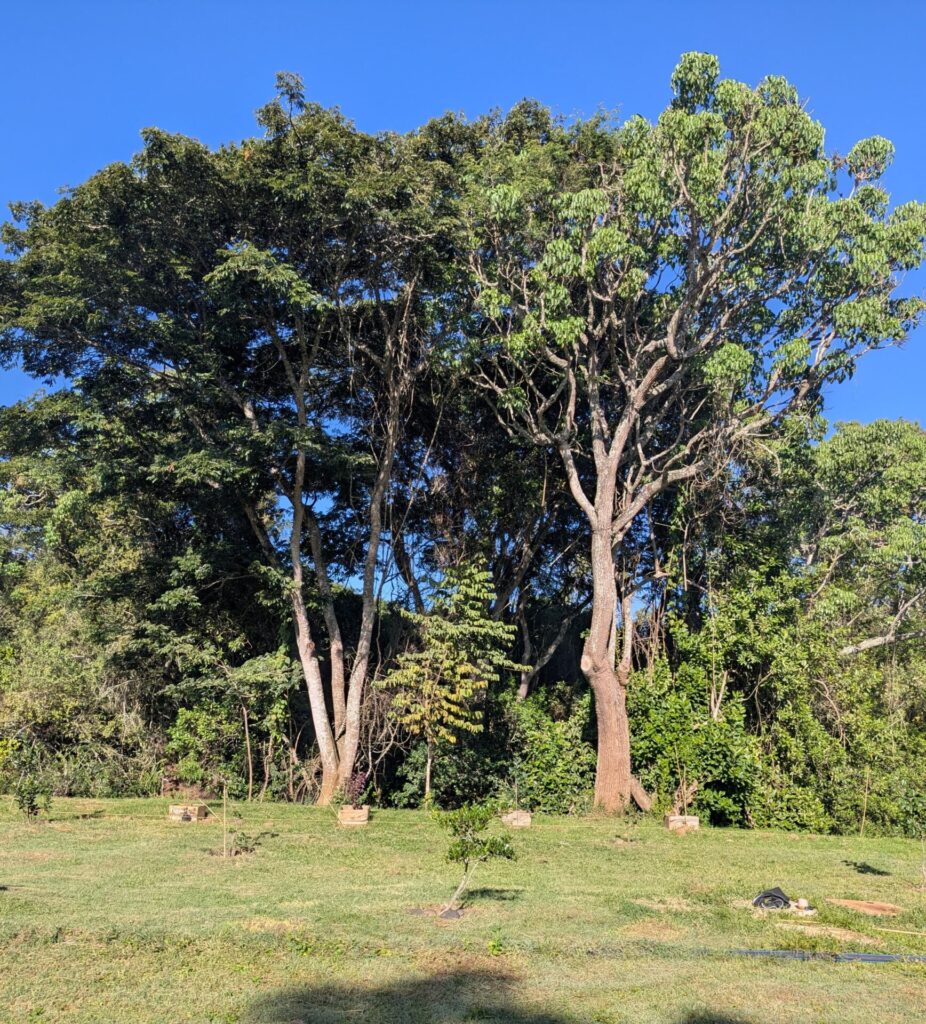
A well-cared-for ecosystem provides water, shade, food, biodiversity, and microclimates that protect the people who live on it.

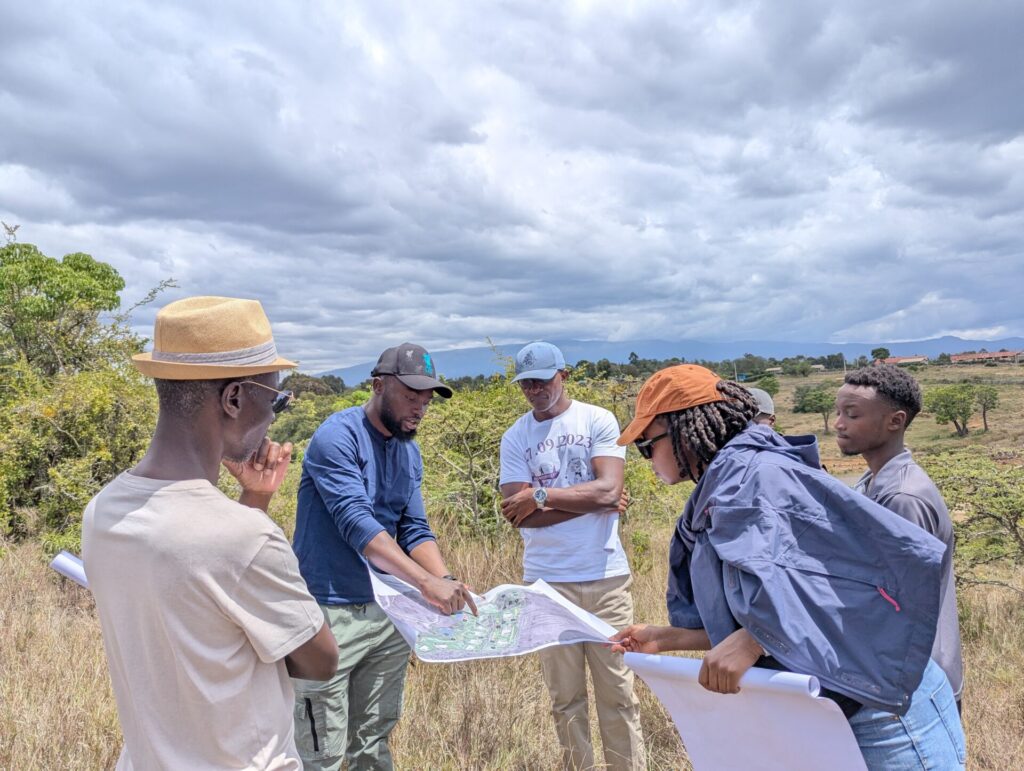
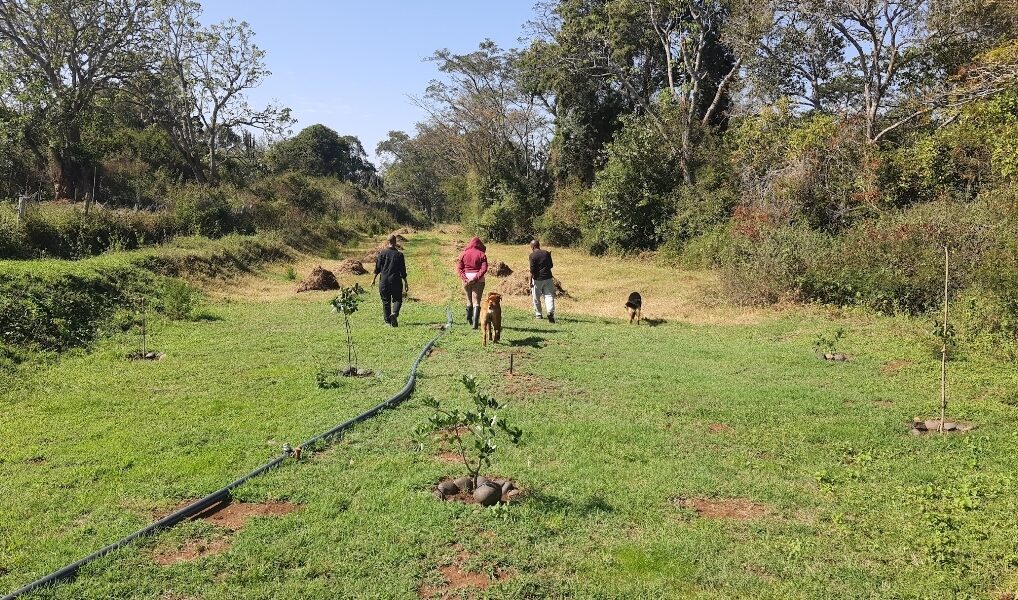
Before masterplanning, we walked, mapped, and listened to the land — understanding its water paths, tree cover, and seasonal behaviors.

We designed with the land, not over it.

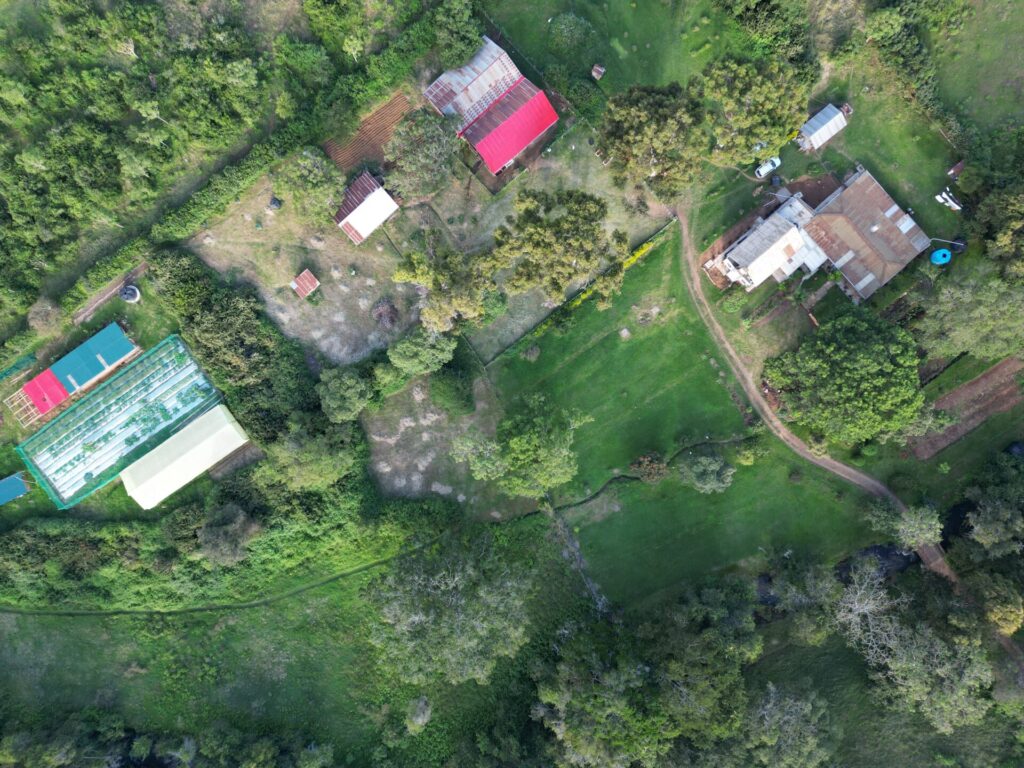
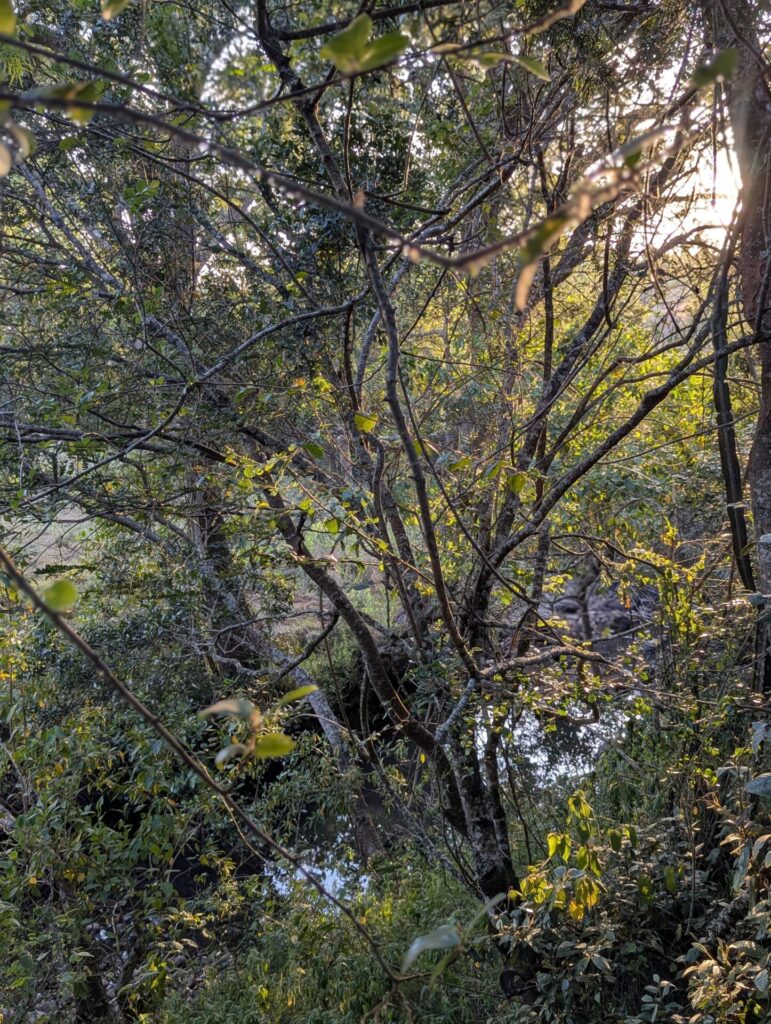
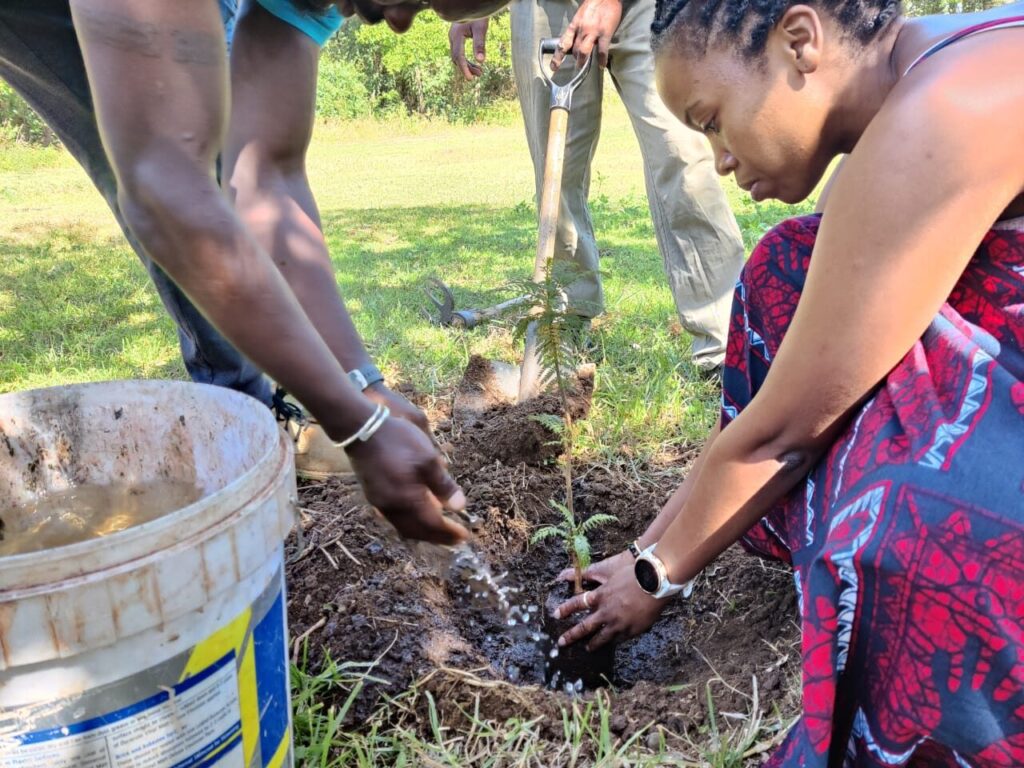
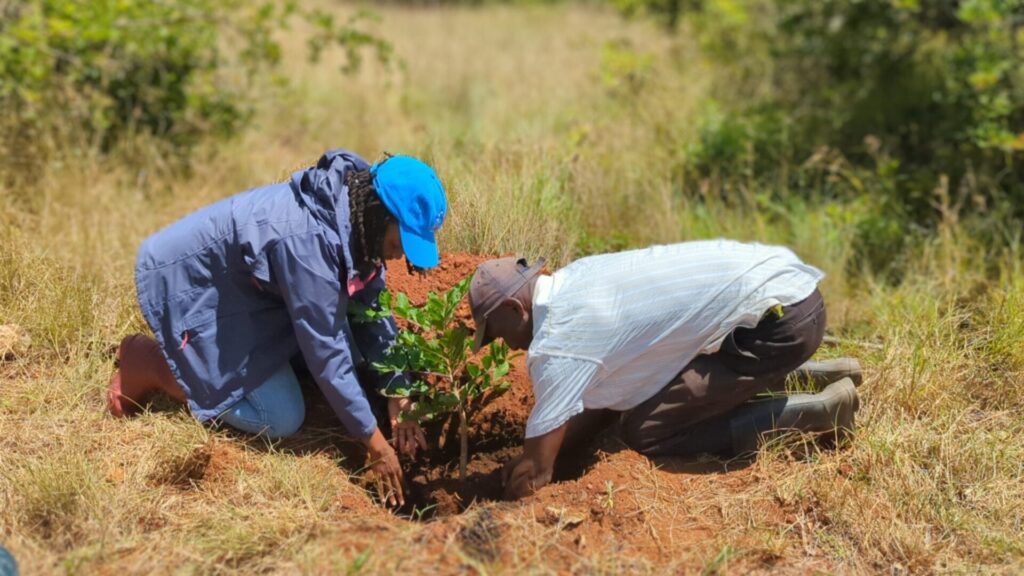
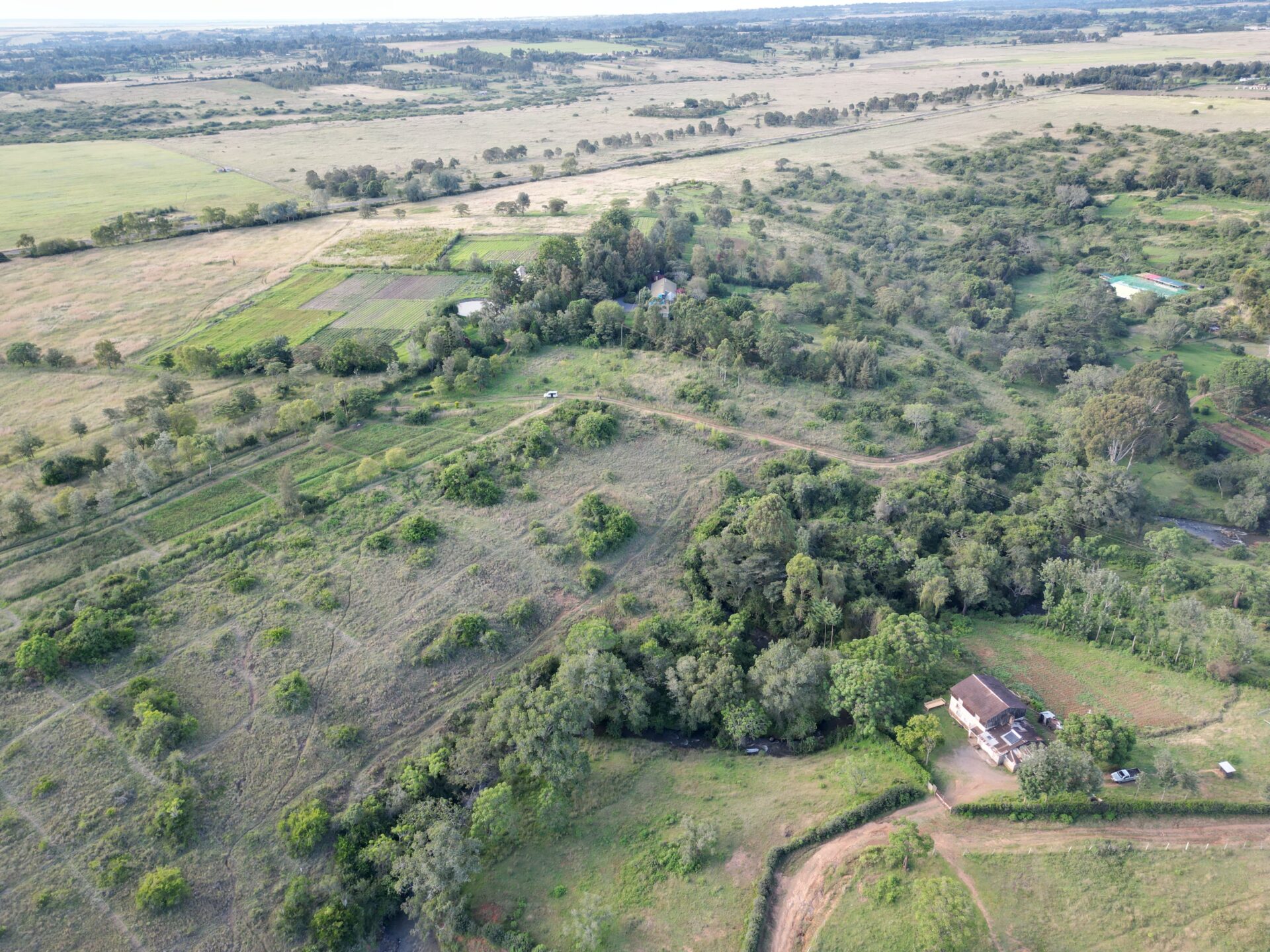
The result? A regenerative model where tree cover, riverfront restoration, and plant diversity create ongoing, non-extractive value.

Part II – Economy: Growing with the Land, Not Just on It

We often treat land as a blank slate — build fast, sell faster.

But fast growth often equals fast loss.

At Mwatu, we measure economic value differently:

Build less, grow more. Only 25% of each portion can be built, encouraging investment in space, not sprawl.

Shared services reduce the cost of amenities and management.

Agroforestry and ecological gardens offer food and revenue.

The value of the land rises through collective care, not isolated construction.

Part III – Community: The Social Soil

Land without connection becomes loneliness.

Our design integrates:

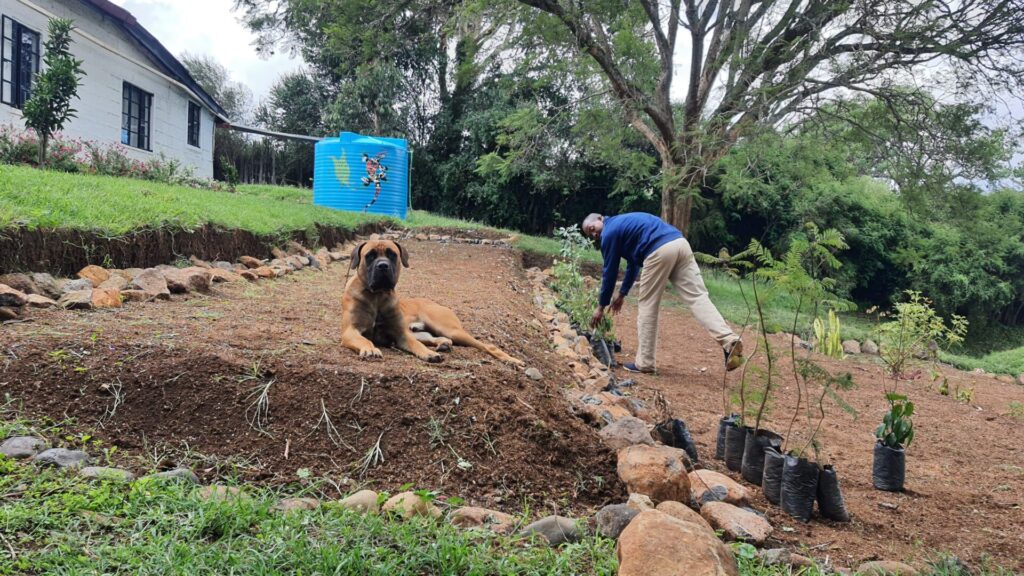
Shared paths and public green zones

A nursery as a hub of connection

A long-term land management company owned by residents

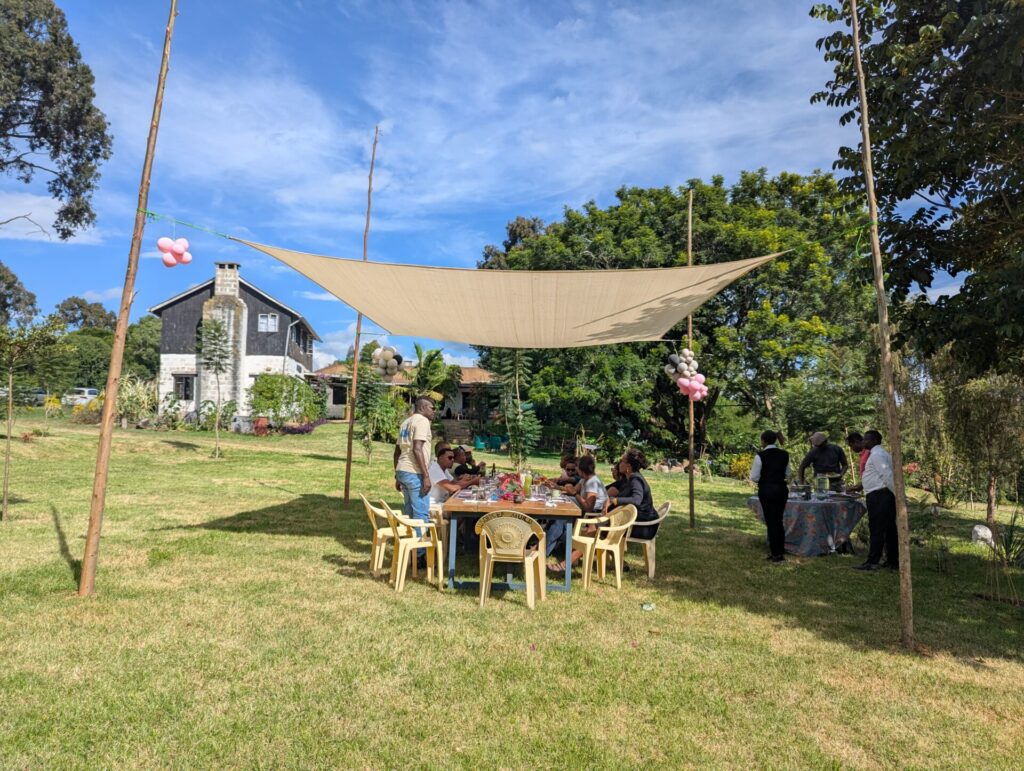
Your neighbor is not just someone who lives next to you — but someone who grows value with you.

This builds a living ecosystem where people invest in place and each other.

Conclusion

True land value is not speculative. It’s cultivated.

Mwatu offers a model where ecology supports economy, and community protects both.

This is the kind of land that appreciates in every sense of the word.
Leave the first comment

Contents

Quick Bits

Quick Bits

The Three Roots of True Land Value: Ecology, Economy, Community – Rethinking what makes land valuable in a time of change.

Introduction

Across Kenya, “value” in land often begins and ends with price.

But what if value wasn’t just financial?

At Mwatu, we believe the most enduring land value is rooted in ecology, economy, and community — together.

Not one over the other — but in balance.

Part I – Ecology: The Natural Foundation

The land is a living system — with memory, function, and flow.

A well-cared-for ecosystem provides water, shade, food, biodiversity, and microclimates that protect the people who live on it.

Before masterplanning, we walked, mapped, and listened to the land — understanding its water paths, tree cover, and seasonal behaviors.

We designed with the land, not over it.

The result? A regenerative model where tree cover, riverfront restoration, and plant diversity create ongoing, non-extractive value.

Part II – Economy: Growing with the Land, Not Just on It

We often treat land as a blank slate — build fast, sell faster.

But fast growth often equals fast loss.

At Mwatu, we measure economic value differently:

Build less, grow more. Only 25% of each portion can be built, encouraging investment in space, not sprawl.

Shared services reduce the cost of amenities and management.

Agroforestry and ecological gardens offer food and revenue.

The value of the land rises through collective care, not isolated construction.

Part III – Community: The Social Soil

Land without connection becomes loneliness.

Our design integrates:

Shared paths and public green zones

A nursery as a hub of connection

A long-term land management company owned by residents

Your neighbor is not just someone who lives next to you — but someone who grows value with you.

This builds a living ecosystem where people invest in place and each other.

Conclusion

True land value is not speculative. It’s cultivated.

Mwatu offers a model where ecology supports economy, and community protects both.

This is the kind of land that appreciates in every sense of the word.