How to Grow a Neighborhood (Before You Build It)

Most developers think you build a house first — and the neighborhood follows.
At Mwatu, we flipped that model: we grow the neighborhood first.

What we mean by “growing”:

Planning with the natural rhythms of the land.

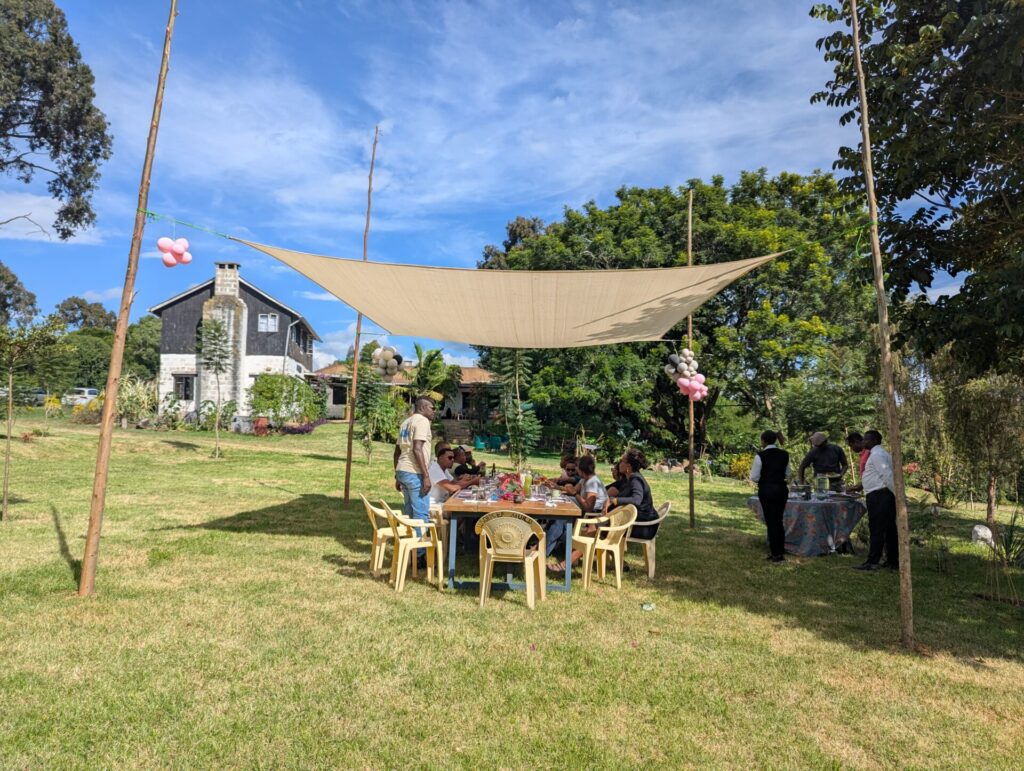
Creating places for meeting, planting, resting, and observing — before walls go up.

Making ecology and community visible from day one.

The Mwatu Masterplan includes:

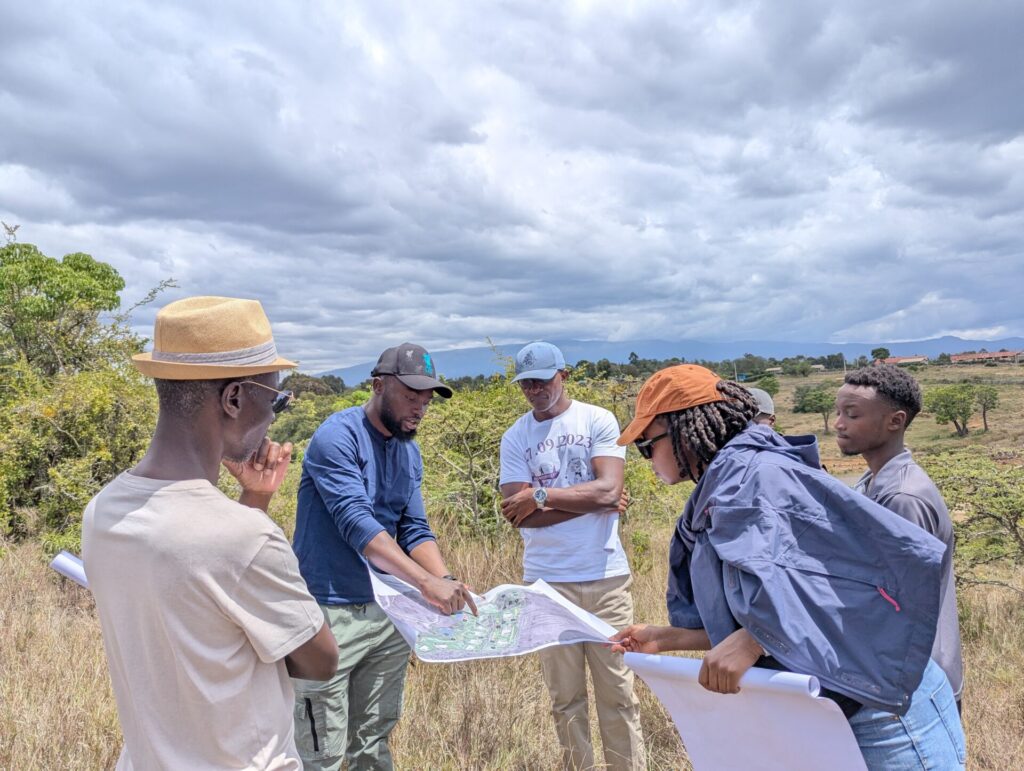
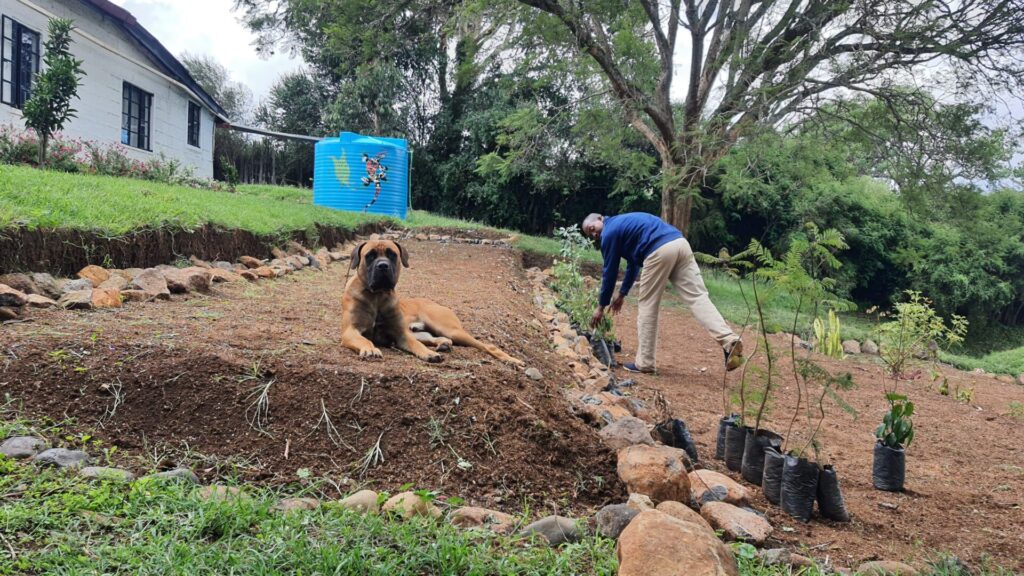
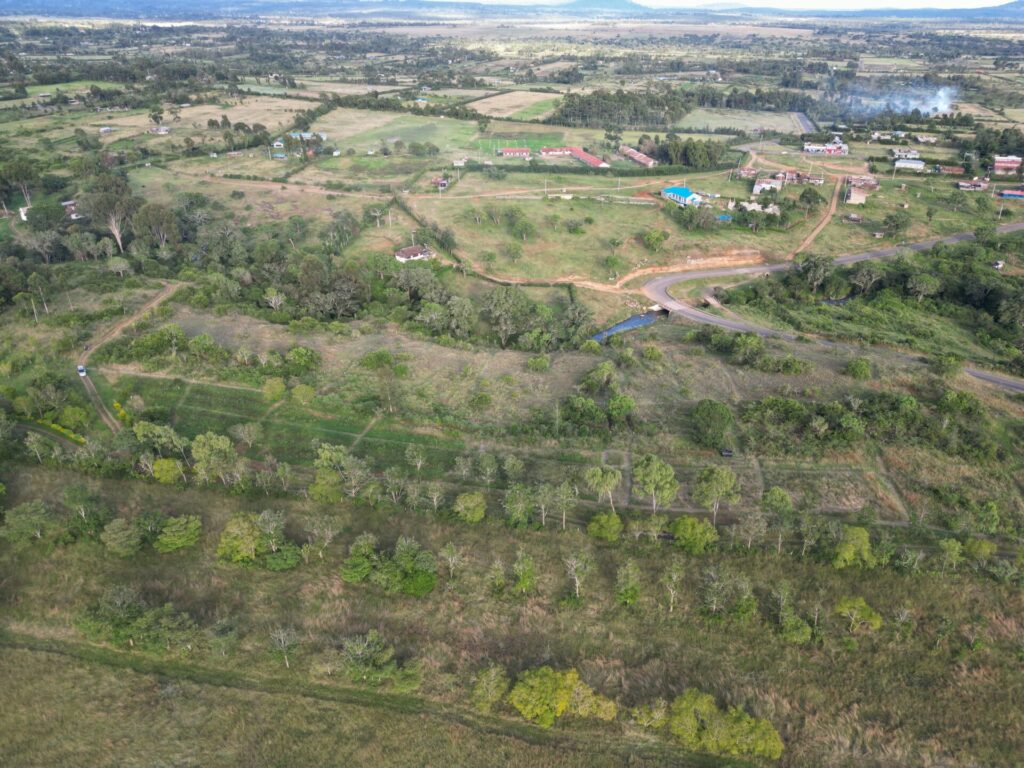
Topography-led zoning: We didn’t impose a grid. We followed the slope.

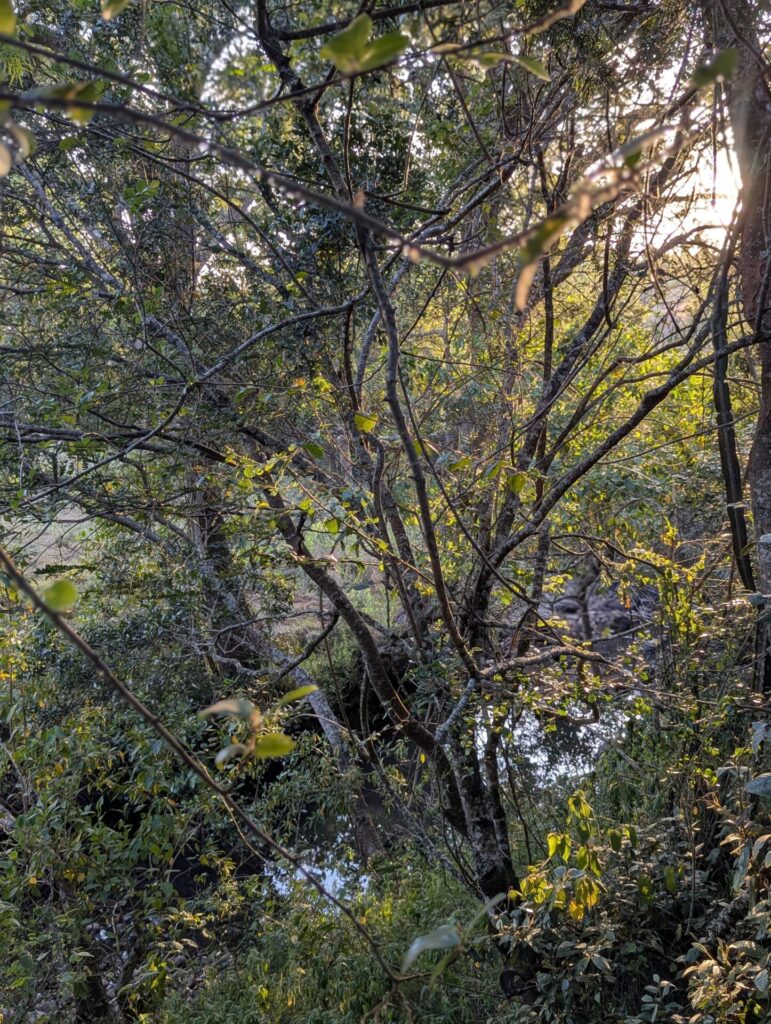
Water flow analysis: Paths and plots are placed to preserve runoff patterns.

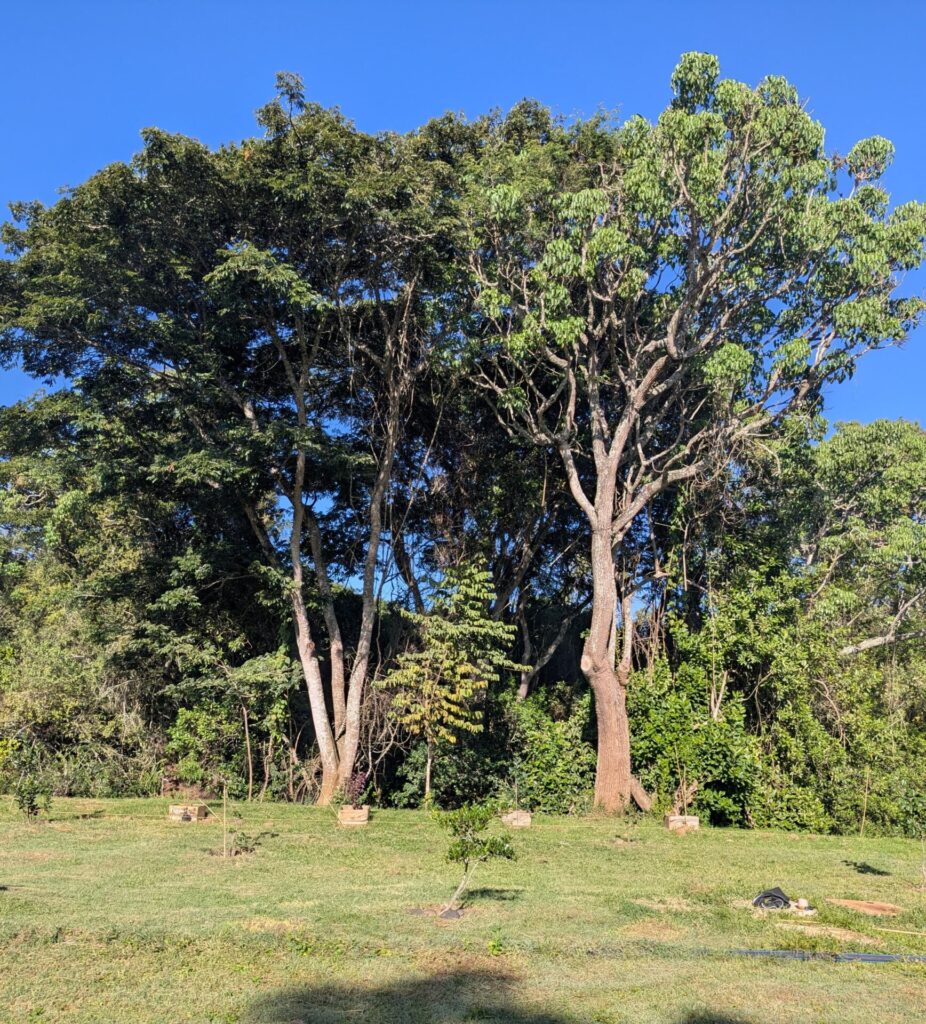
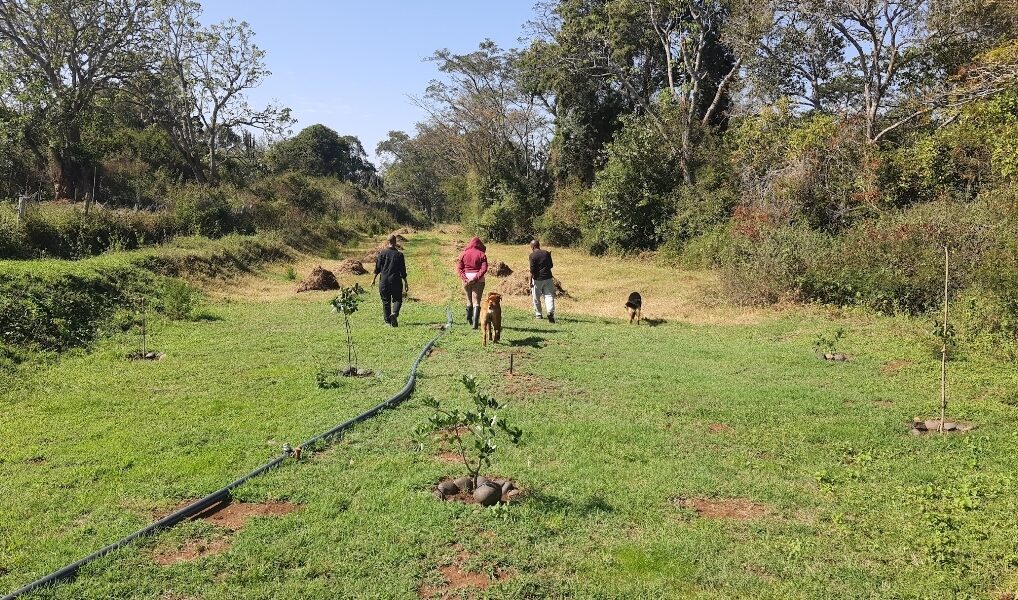
Planting corridors: Strategic tree and shrub placement to guide both human and animal movement.

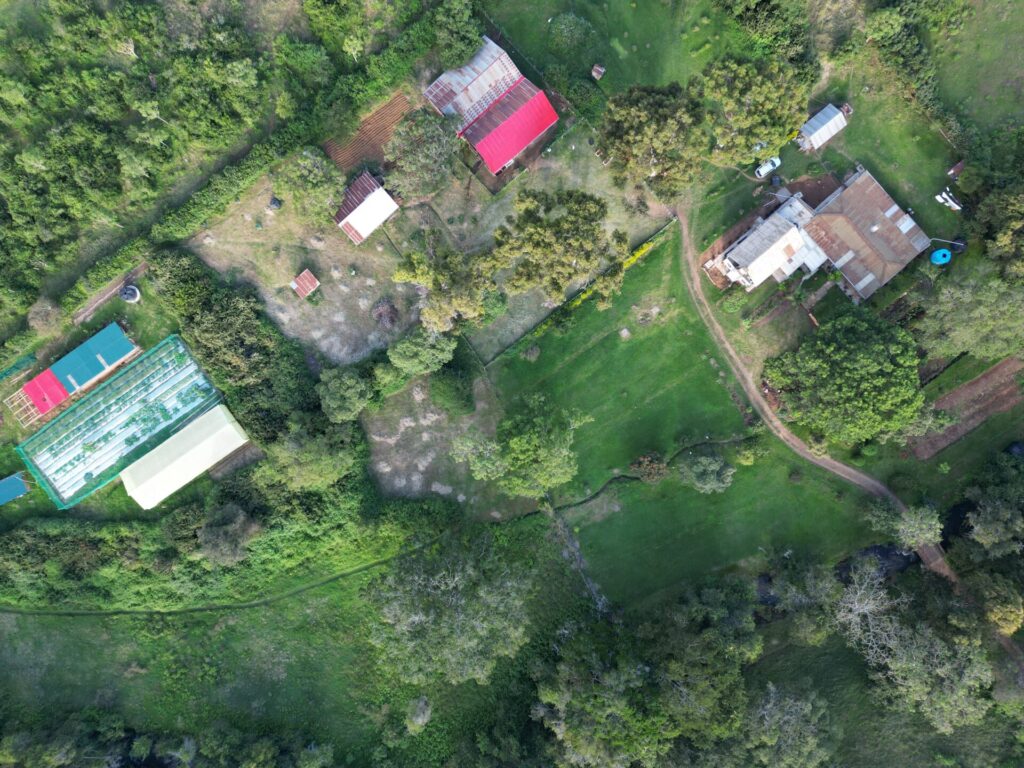
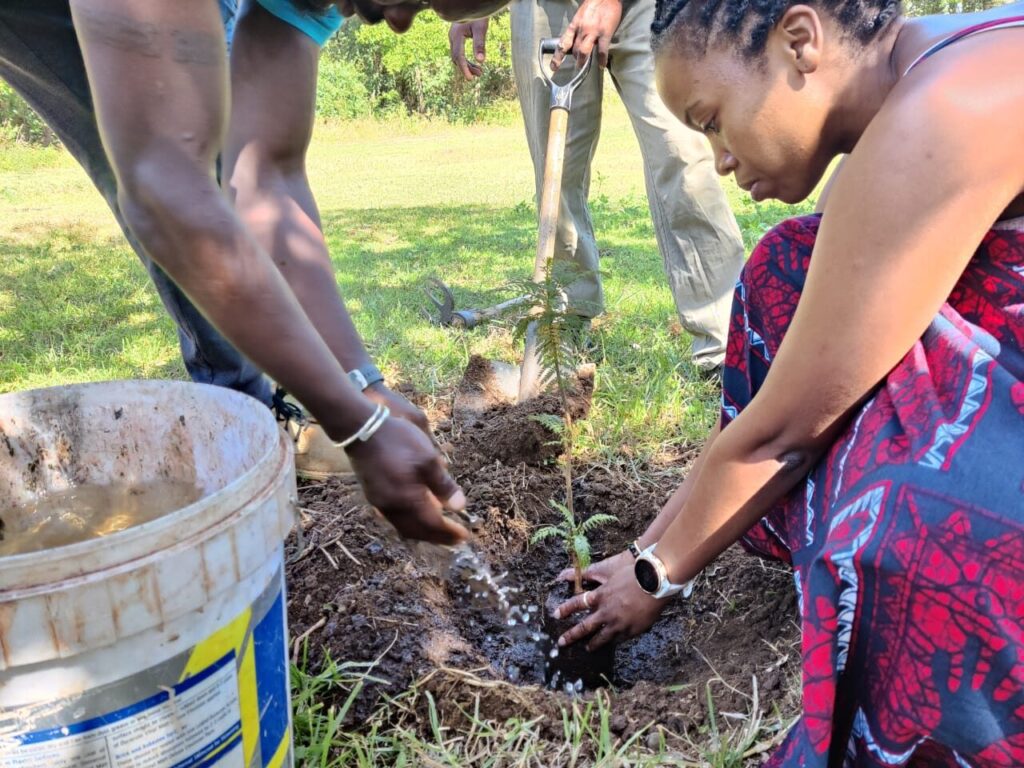
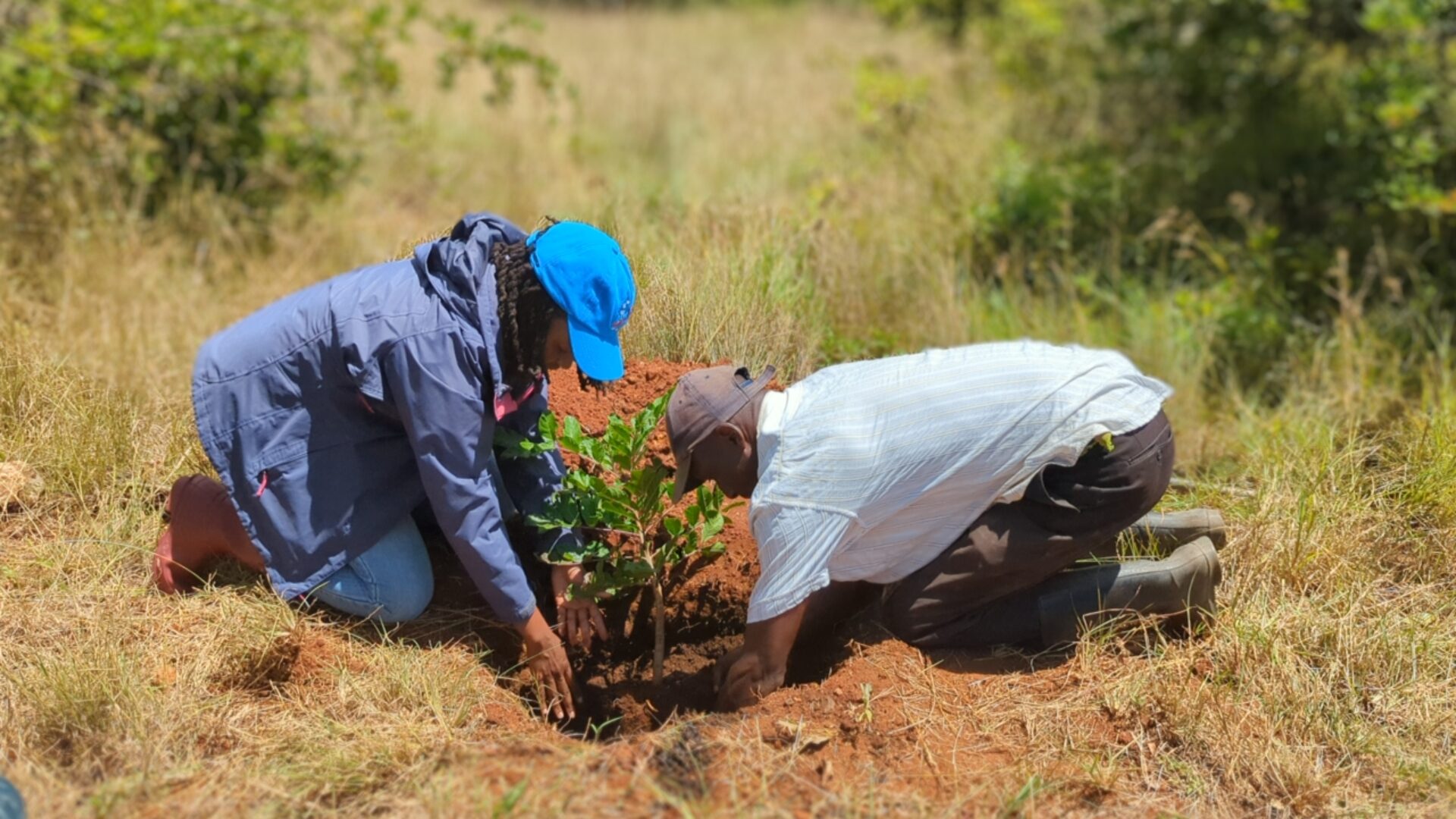
Common areas: Before private development begins, shared areas are being cultivated — so people see the neighborhood taking root.

Why it matters:

Building doesn’t disrupt — it integrates.

Neighbors start by planting together, not fencing each other out.

The identity of Mwatu begins as a place, not as real estate.

And for you:

Your investment isn’t in a blank plot.

It’s in a living, layered ecosystem — where value starts before construction begins.
Leave the first comment

Contents

Quick Bits

Quick Bits

How to Grow a Neighborhood (Before You Build It)

Most developers think you build a house first — and the neighborhood follows.
At Mwatu, we flipped that model: we grow the neighborhood first.

What we mean by “growing”:

Planning with the natural rhythms of the land.

Creating places for meeting, planting, resting, and observing — before walls go up.

Making ecology and community visible from day one.

The Mwatu Masterplan includes:

Topography-led zoning: We didn’t impose a grid. We followed the slope.

Water flow analysis: Paths and plots are placed to preserve runoff patterns.

Planting corridors: Strategic tree and shrub placement to guide both human and animal movement.

Common areas: Before private development begins, shared areas are being cultivated — so people see the neighborhood taking root.

Why it matters:

Building doesn’t disrupt — it integrates.

Neighbors start by planting together, not fencing each other out.

The identity of Mwatu begins as a place, not as real estate.

And for you:

Your investment isn’t in a blank plot.

It’s in a living, layered ecosystem — where value starts before construction begins.