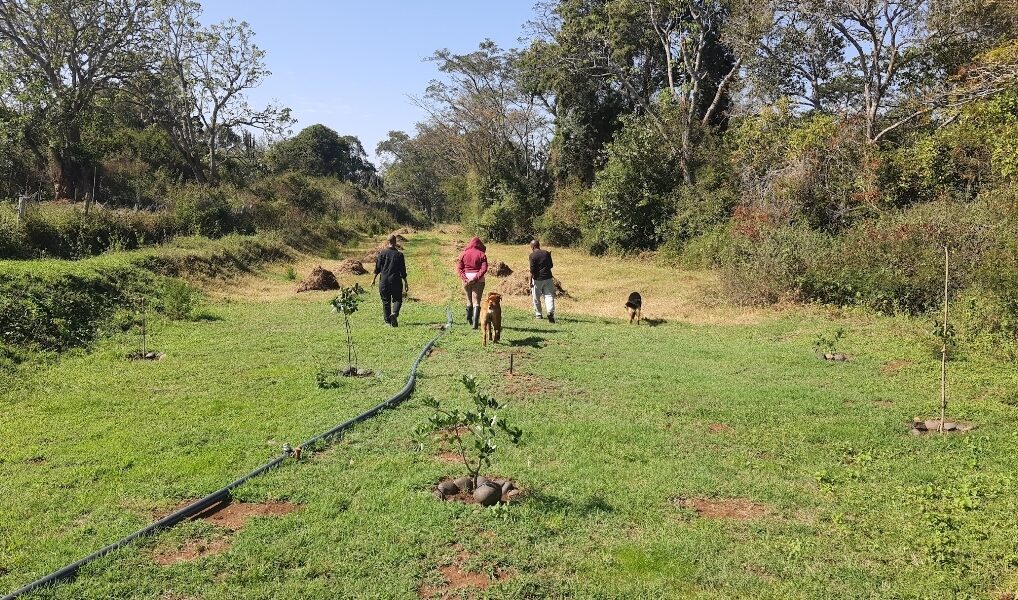
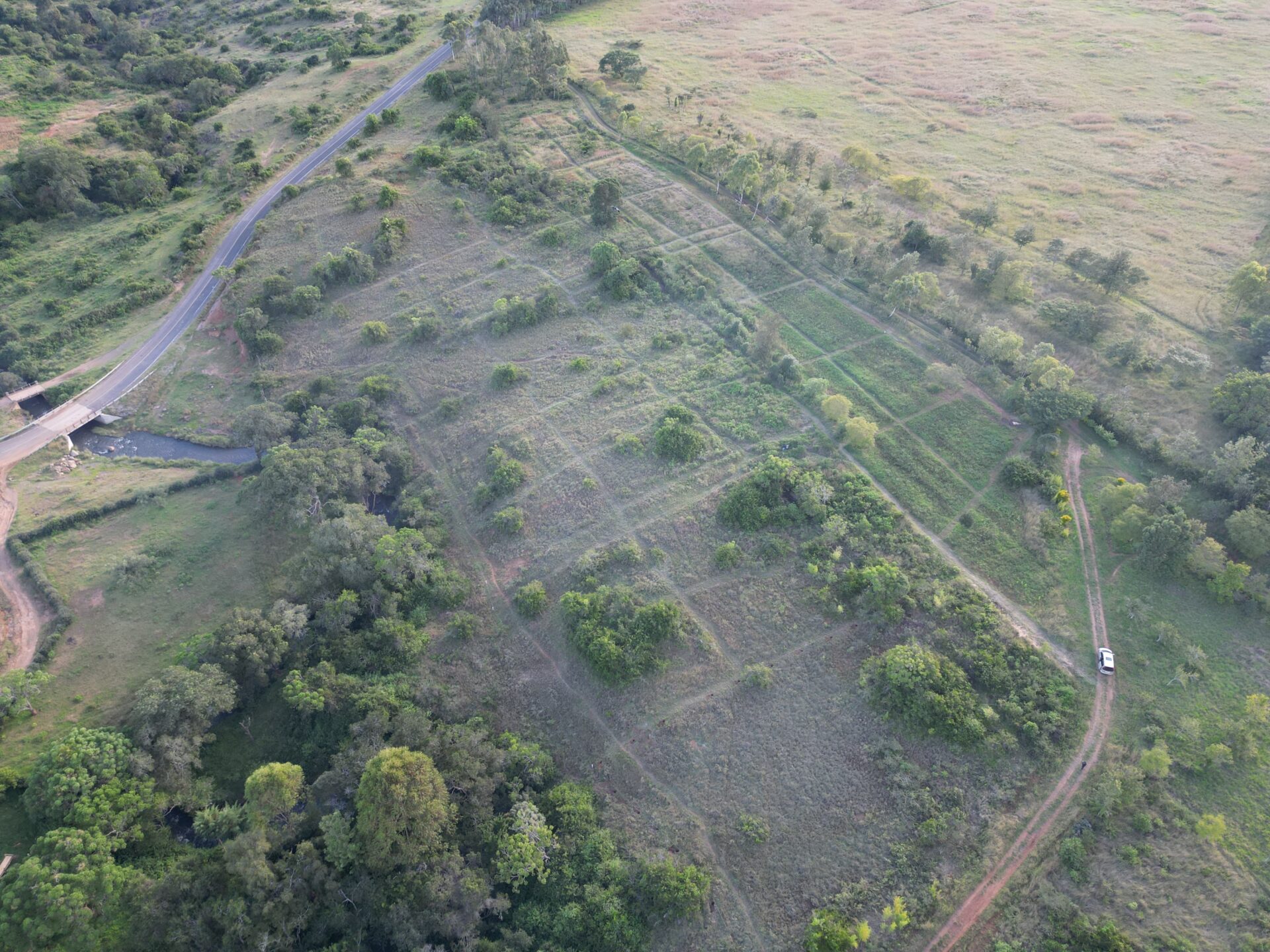
Regenerative Land Development: A Model for Kenya’s Future – What Mwatu teaches us about designing value beyond speculation.

Introduction

Subdivisions and speculation are exhausting our landscapes and our imagination.

Kenya needs a new model: one that’s viable, scalable, and grounded in regeneration.

Part I – What Is Regenerative Development?

Beyond sustainability: not just preserving, but improving land, community, and systems over time.

It includes circular economies, ecological design, cultural context, and participatory governance.

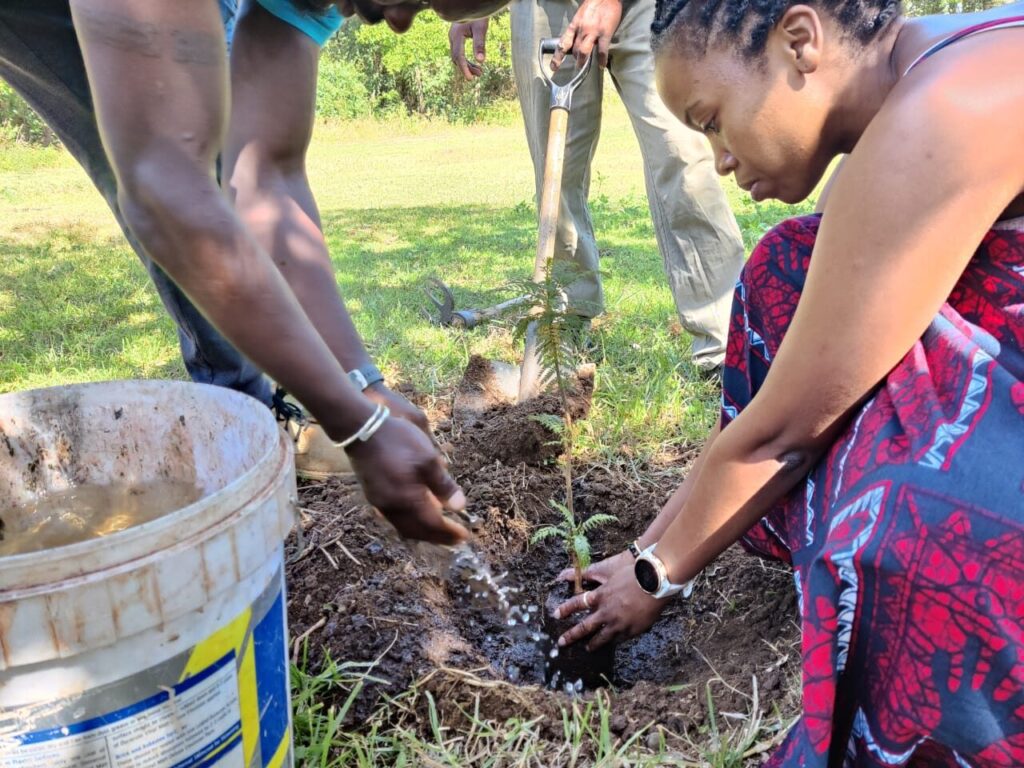
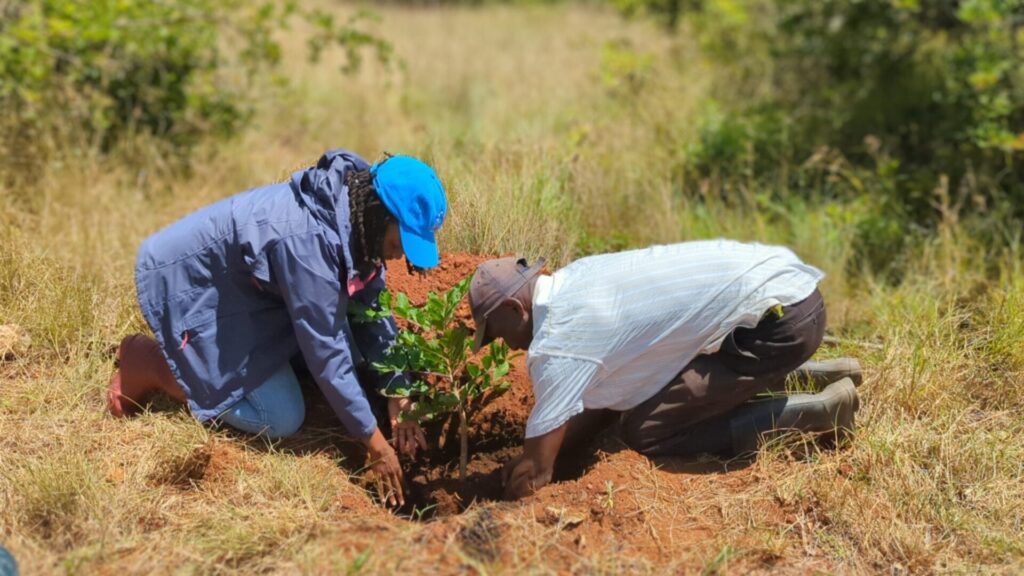
Part II – How Mwatu Applies This in Practice

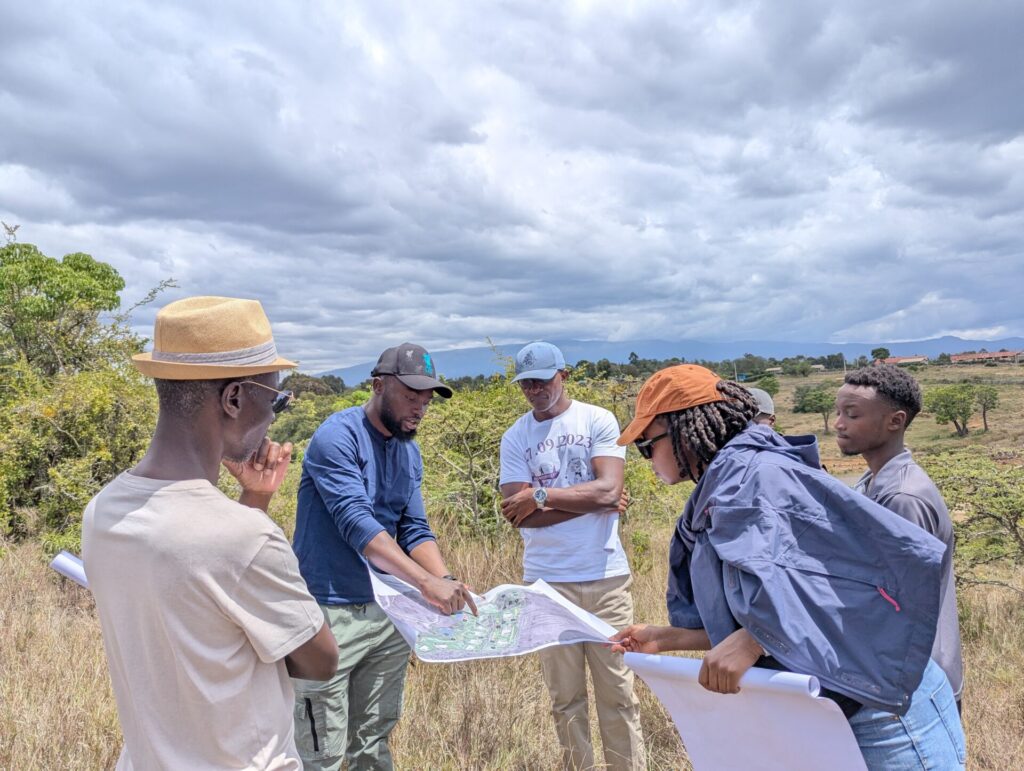
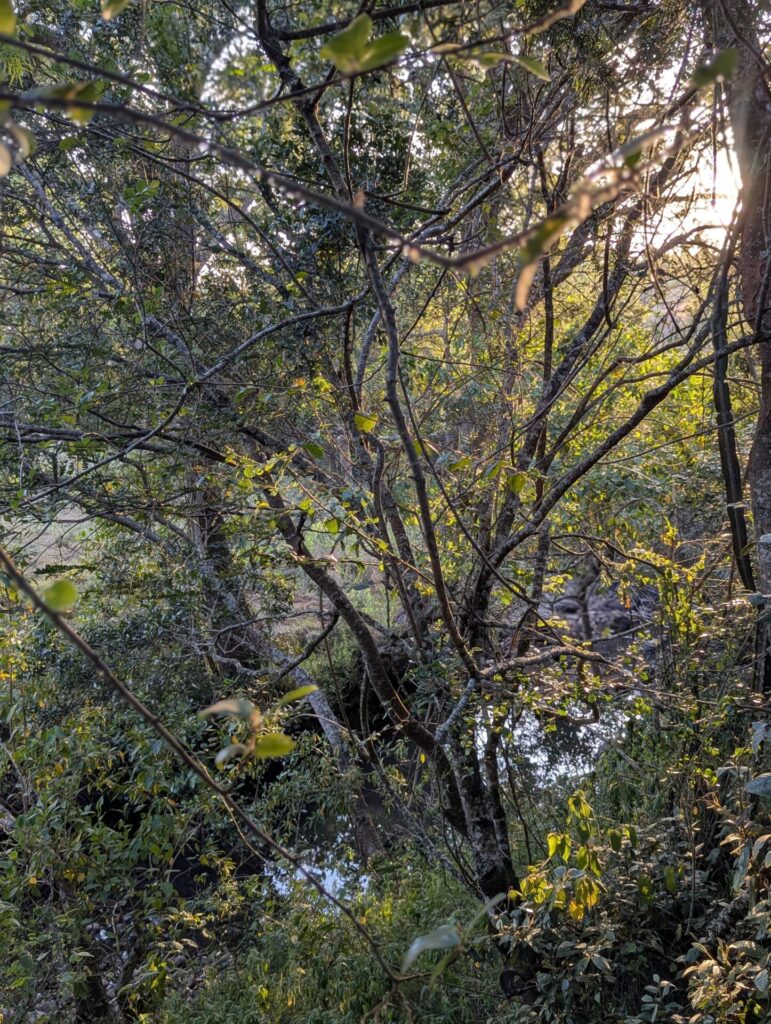
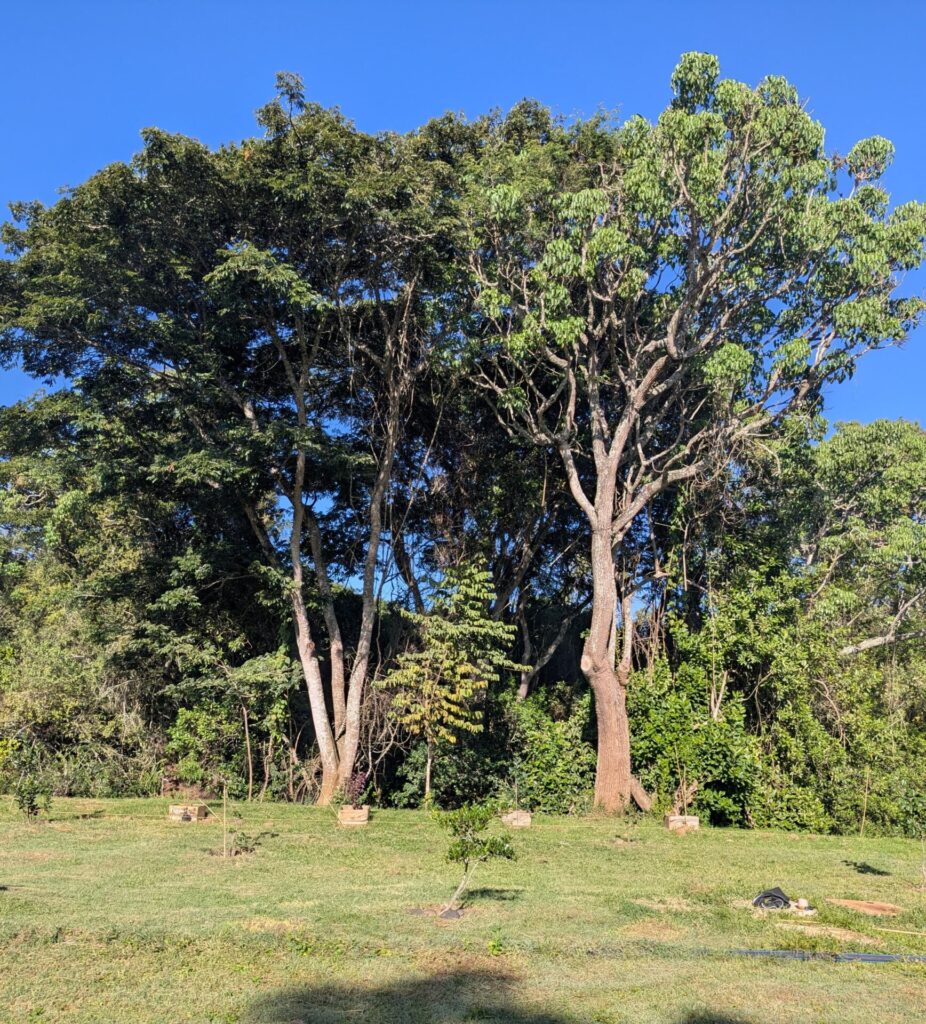
Ecological surveys before any masterplanning.

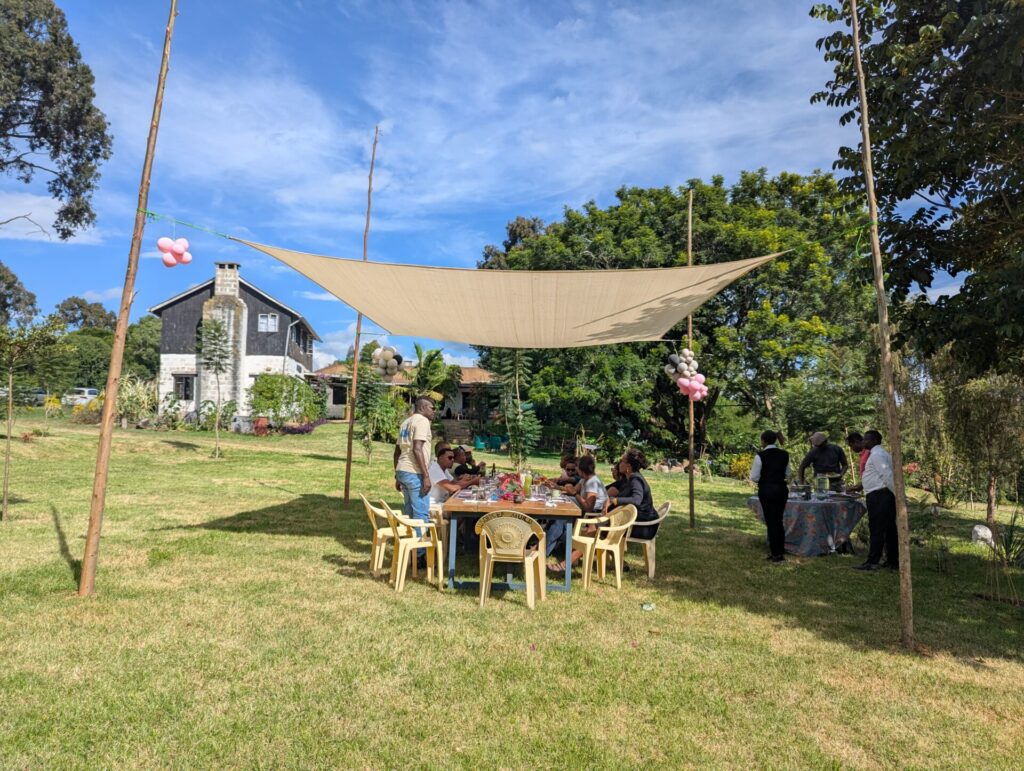
Community as a design principle: low build ratios, common areas, participatory management.

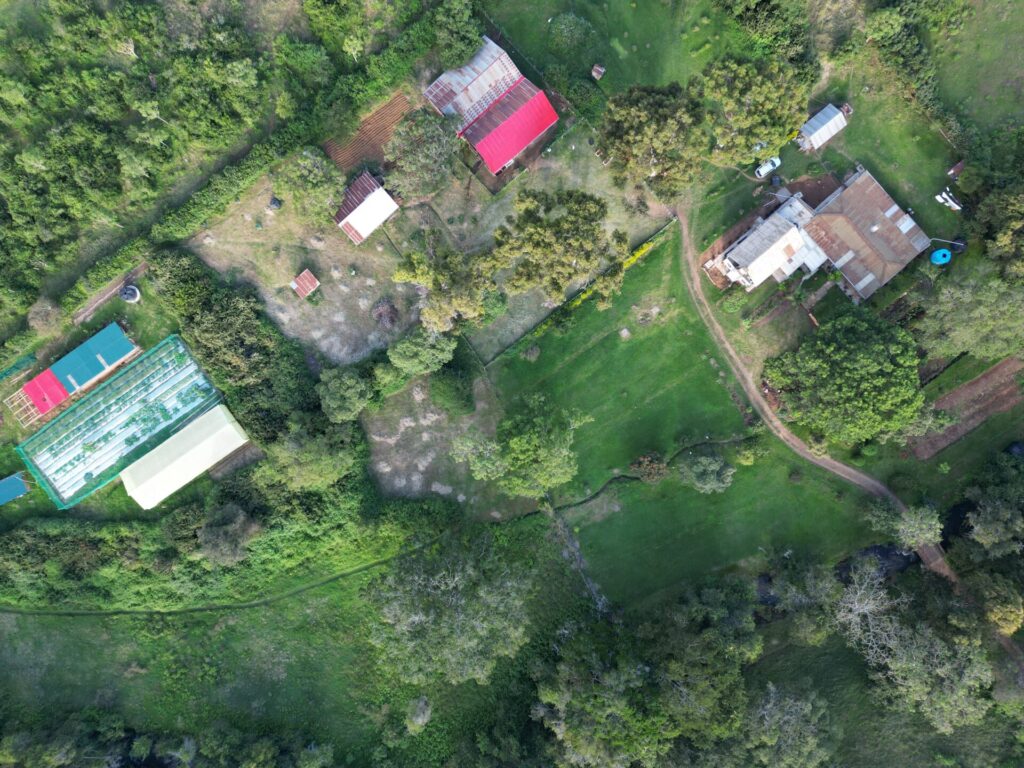
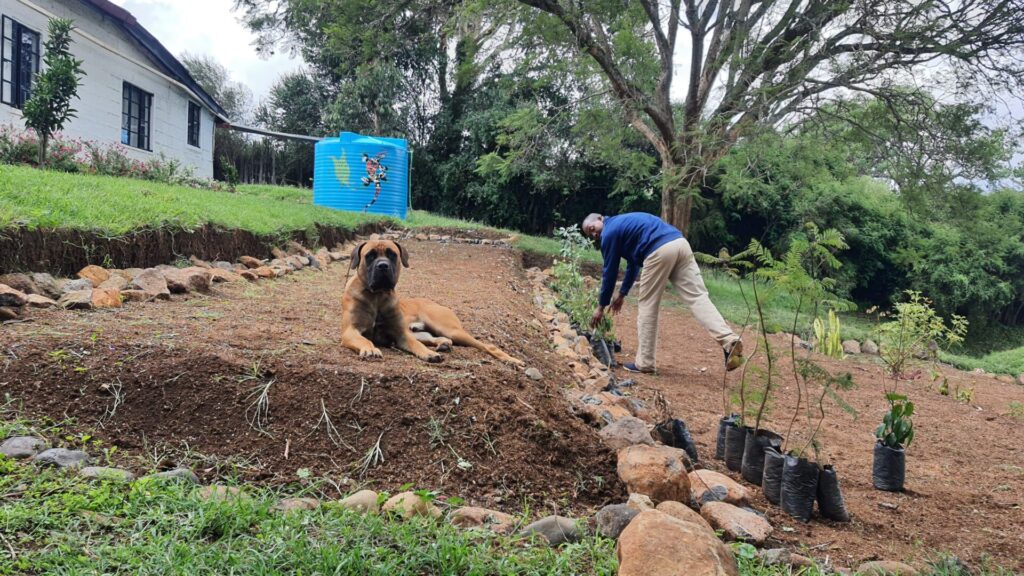
Economic integration: farm ecosystems, slow build philosophy, value capture through care.

Part III – Why This Matters for Kenya’s Development Landscape

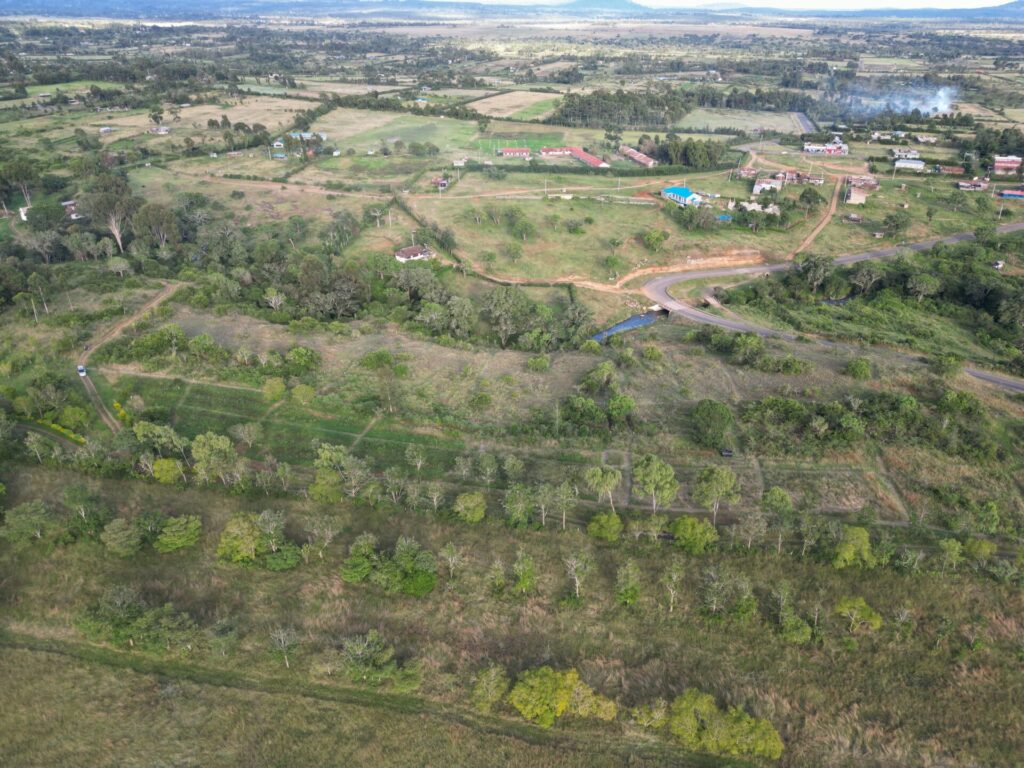
We’re at a tipping point of urban sprawl, land fragmentation, and climate risk.

Regenerative models like Mwatu offer an alternative: value that doesn’t just grow — it lasts.

Why counties, developers, and policy makers should pay attention.

Conclusion

Kenya doesn’t only need more houses. It also needs more habitats.

Regenerative development is a journey and Mwatu is a step in that direction.
Leave the first comment

Contents

Quick Bits

Quick Bits

Regenerative Land Development: A Model for Kenya’s Future – What Mwatu teaches us about designing value beyond speculation.

Introduction

Subdivisions and speculation are exhausting our landscapes and our imagination.

Kenya needs a new model: one that’s viable, scalable, and grounded in regeneration.

Part I – What Is Regenerative Development?

Beyond sustainability: not just preserving, but improving land, community, and systems over time.

It includes circular economies, ecological design, cultural context, and participatory governance.

Part II – How Mwatu Applies This in Practice

Ecological surveys before any masterplanning.

Community as a design principle: low build ratios, common areas, participatory management.

Economic integration: farm ecosystems, slow build philosophy, value capture through care.

Part III – Why This Matters for Kenya’s Development Landscape

We’re at a tipping point of urban sprawl, land fragmentation, and climate risk.

Regenerative models like Mwatu offer an alternative: value that doesn’t just grow — it lasts.

Why counties, developers, and policy makers should pay attention.

Conclusion

Kenya doesn’t only need more houses. It also needs more habitats.

Regenerative development is a journey and Mwatu is a step in that direction.