In most developments, land value is treated like a commodity.
You subdivide it, you title it, you flip it. End of story.
But land isn’t just a piece of paper or a perimeter fence.
It’s an ecosystem. A context. A long-term economic engine — if you treat it right.
What we’re doing differently at Mwatu:
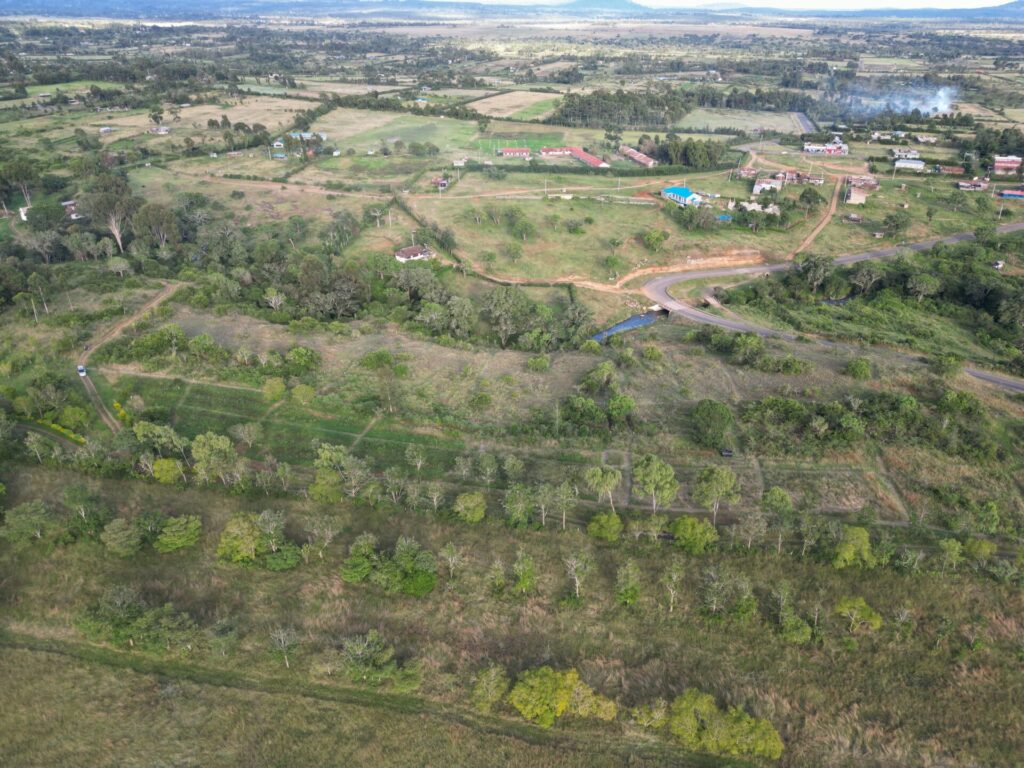
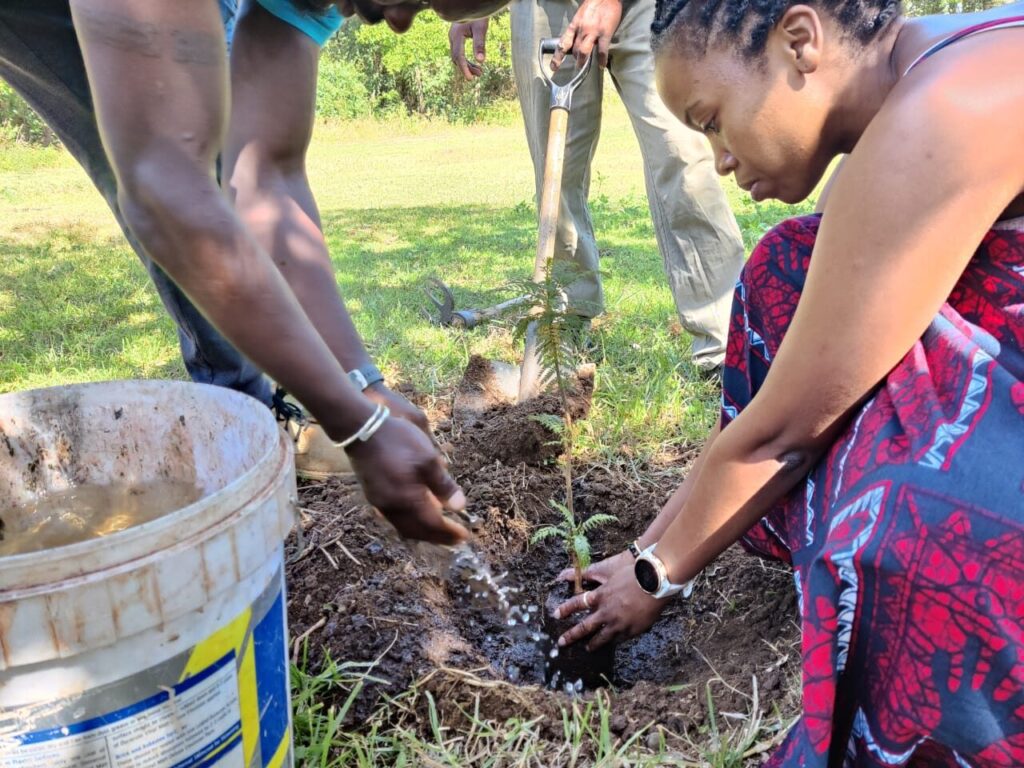
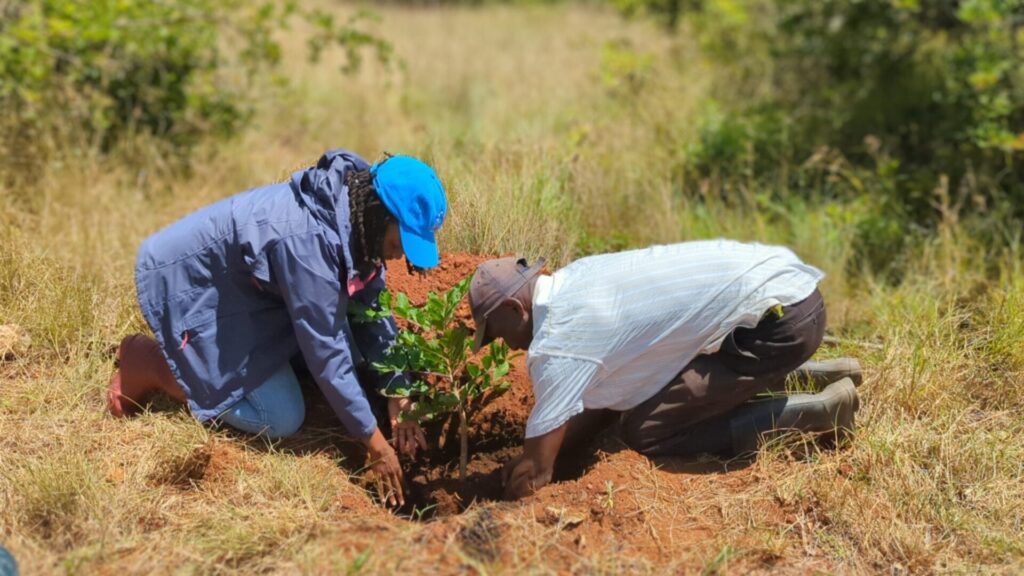
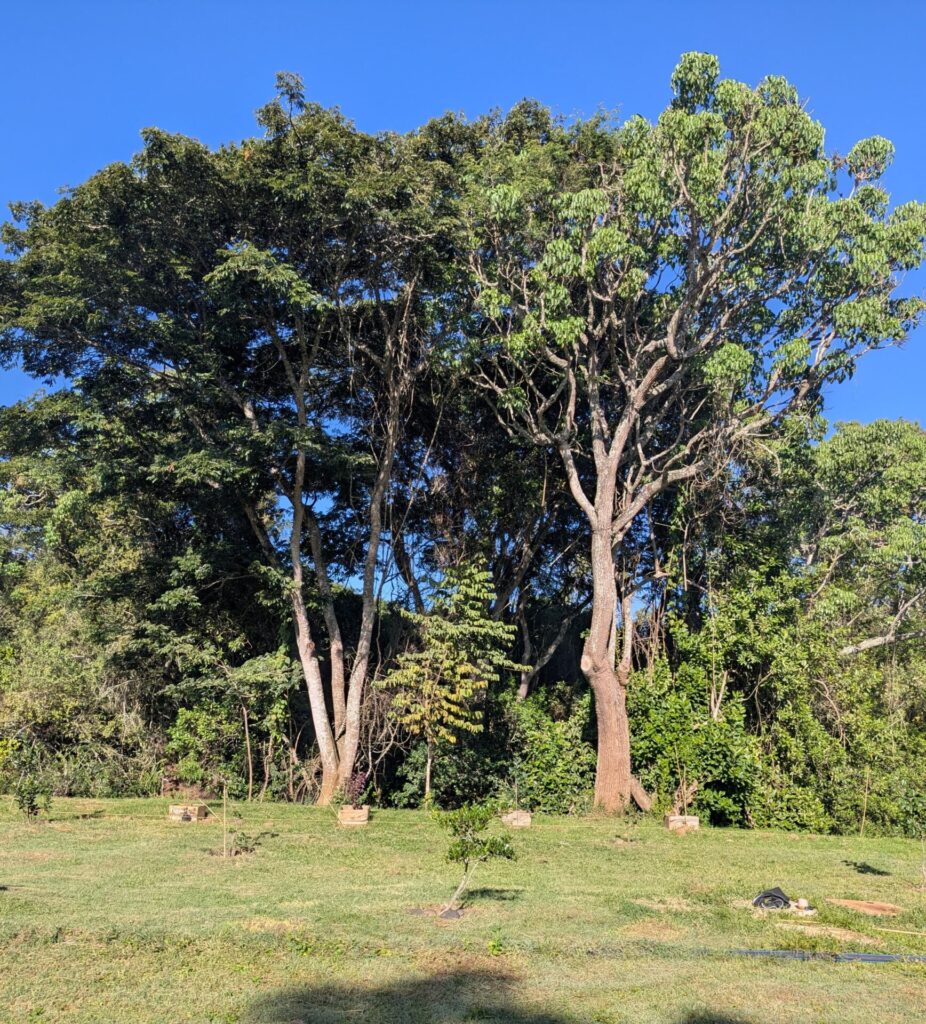
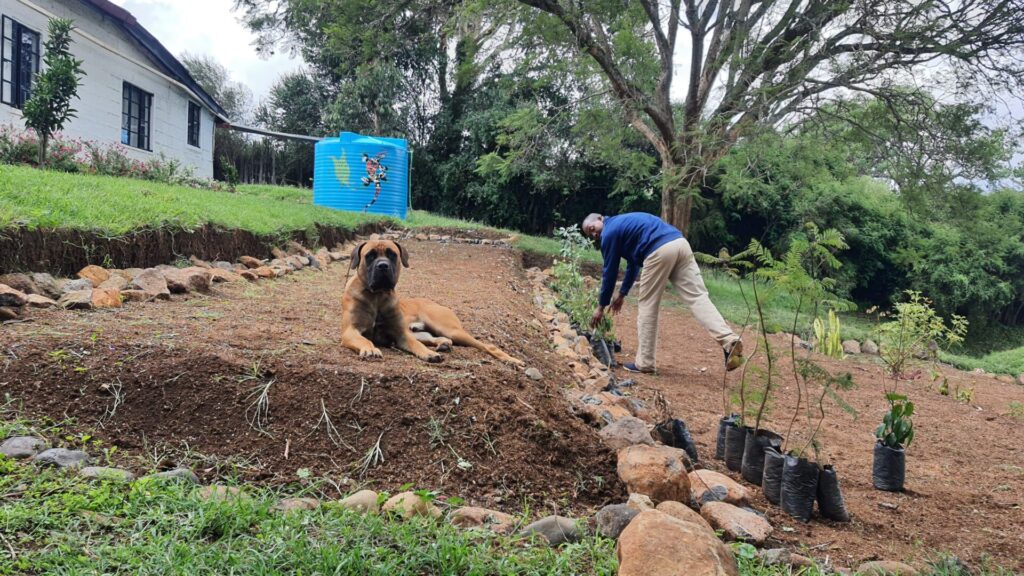
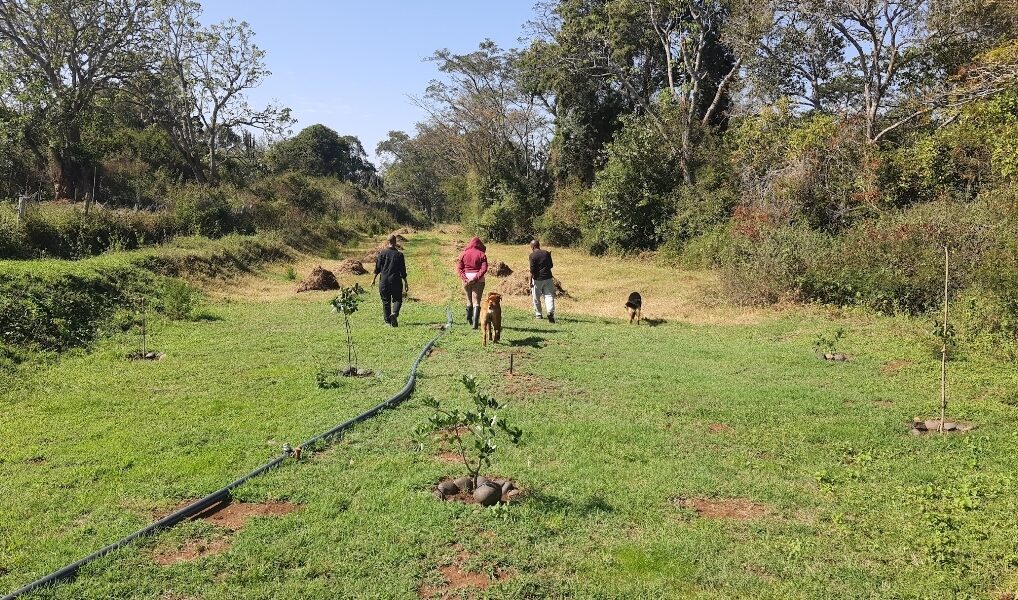
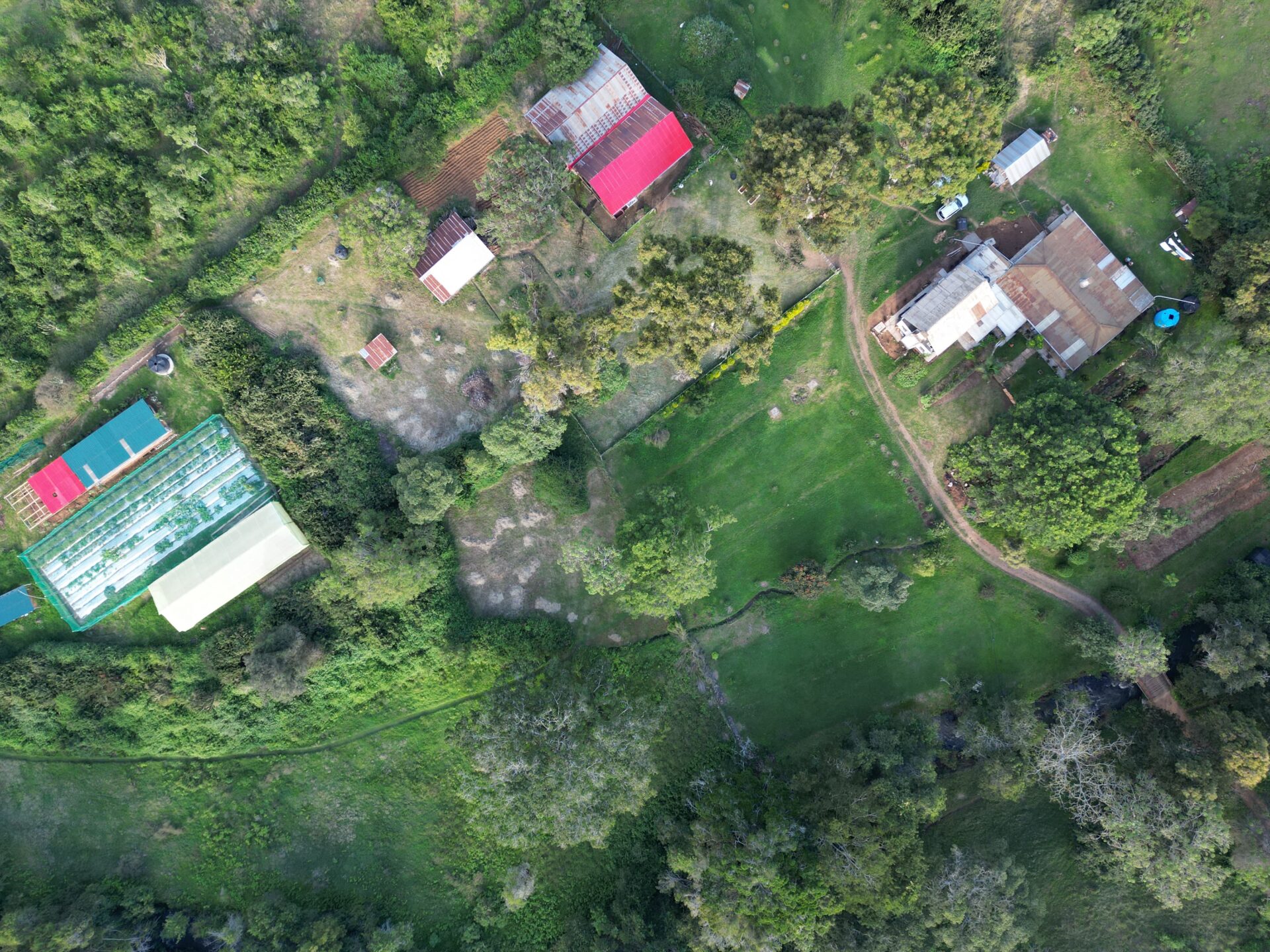
We’ve planned around the land’s natural systems, not over them.
Shared spaces and ecology-first planning preserve desirability over time.
We’ve avoided the “subdivide and forget” trap — by embedding stewardship in our ownership model.
This approach creates value in three ways:
Stability — land that grows in maturity, not just price.
Resilience — buffers against market shocks by investing in use and beauty.
Continuity — neighborhood structures that age well and reward patience.
Why it matters for investors:
You’re not relying on external speculation — the value is grown from within.
Instead of passive holding, you get participatory ownership.
This is not a bet on hype — it’s a belief in systems that work.